Archives
- 2026-08
- 2026-07
- 2026-06
- 2026-05
- 2026-04
- 2026-03
- 2026-02
- 2026-01
- 2025-12
- 2025-11
- 2025-10
- 2025-09
- 2025-03
- 2025-02
- 2025-01
- 2024-12
- 2024-11
- 2024-10
- 2024-09
- 2024-08
- 2024-07
- 2024-06
- 2024-05
- 2024-04
- 2024-03
- 2024-02
- 2024-01
- 2023-12
- 2023-11
- 2023-10
- 2023-09
- 2023-08
- 2023-07
- 2023-06
- 2023-05
- 2023-04
- 2023-03
- 2023-02
- 2023-01
- 2022-12
- 2022-11
- 2022-10
- 2022-09
- 2022-08
- 2022-07
- 2022-06
- 2022-05
- 2022-04
- 2022-03
- 2022-02
- 2022-01
- 2021-12
- 2021-11
- 2021-10
- 2021-09
- 2021-08
- 2021-07
- 2021-06
- 2021-05
- 2021-04
- 2021-03
- 2021-02
- 2021-01
- 2020-12
- 2020-11
- 2020-10
- 2020-09
- 2020-08
- 2020-07
- 2020-06
- 2020-05
- 2020-04
- 2020-03
- 2020-02
- 2020-01
- 2019-12
- 2019-11
- 2019-10
- 2019-09
- 2019-08
- 2019-07
- 2019-06
- 2019-05
- 2019-04
- 2018-07
-
br Acknowledgement The author expresses her sincere
2022-07-26
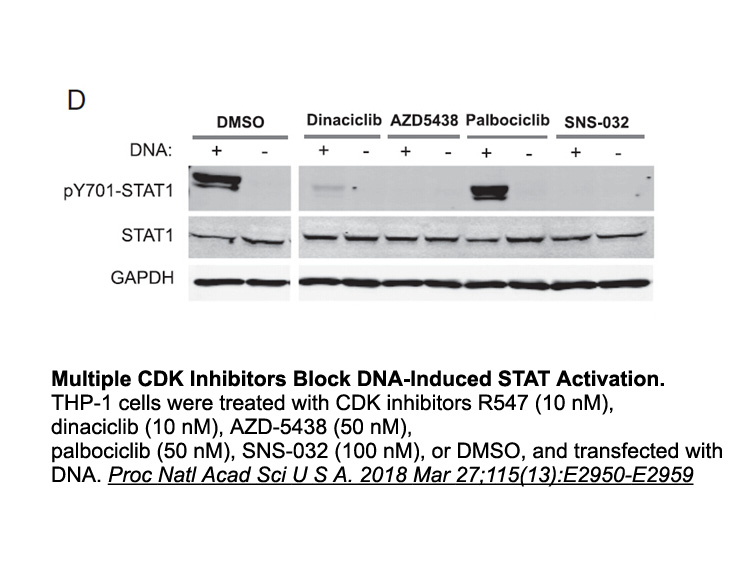
Acknowledgement The author expresses her sincere appreciation to Brian P. Kenealy, Ph.D. for his contributions to the series of studies described in this article that were conducted during his tenure in the lab, as a graduate student first and then a postdoctoral research fellow. She also thanks
-
Overall our results indicated the involvement of GABAAR in
2022-07-26

Overall, our results indicated the involvement of GABAAR in controlling GnRH/LH release through mechanism which included GABA action on molecular processes leading to GnRH biosynthesis. This is consistent with previous in vivo [14,54] and in vitro [55] studies in ewes suggesting that GABA inhibits G
-
Also considered very rare is progressive encephalomyelitis
2022-07-26
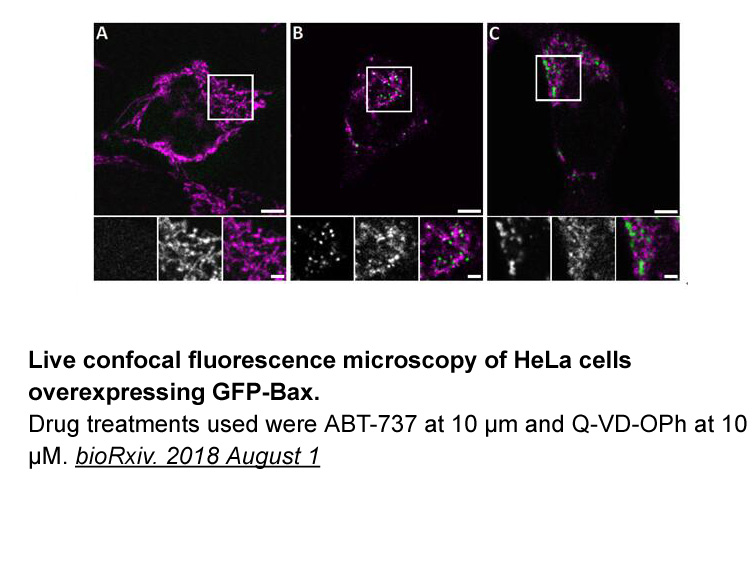
Also considered very rare is progressive encephalomyelitis with rigidity and myoclonus (PERM); sometimes called Stiff Person Syndrome Plus (SPS Plus) and with antibodies to glutamic Prote decarboxylase (GAD). However, PERM is now increasingly found with glycine receptor antibodies (GlyR-Ab), in adul
-
Sunitinib Malate During pain signal transmission glutamate i
2022-07-26
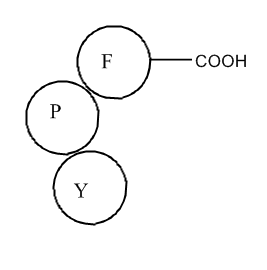
During pain signal transmission, glutamate is released into the synaptic cleft, which, in turn, causes activation of N-methyl-d-aspartate (NMDA) receptors and hence neurotransmission across the synapse occurs. The synaptic concentration and resultant activity of glutamate are controlled by excitator
-
br Ethics approval br Availability of data and materials
2022-07-25
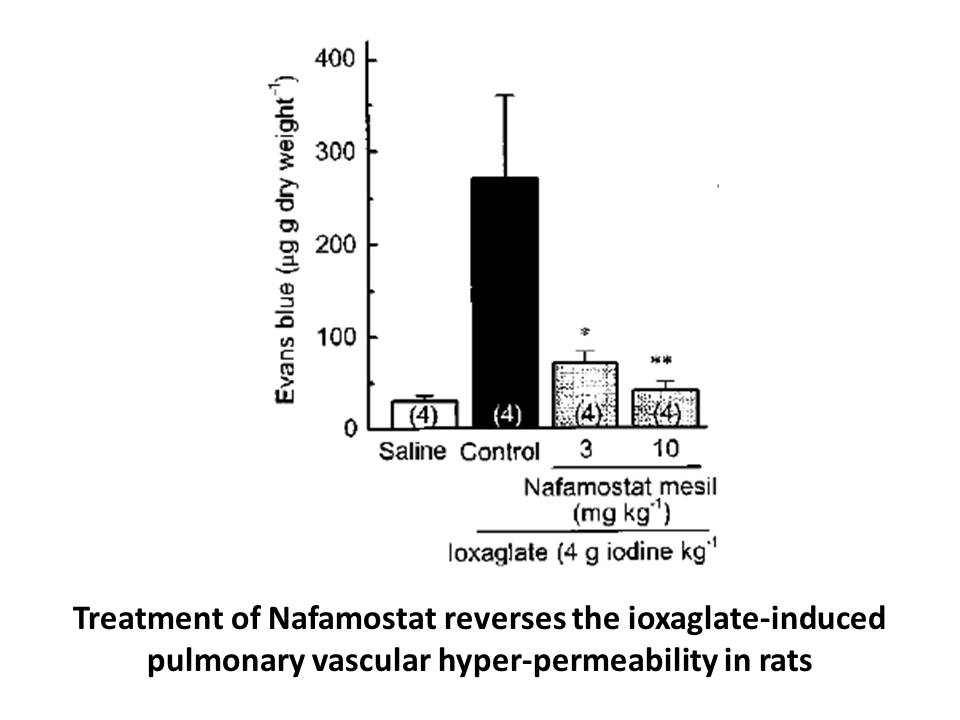
Ethics approval Availability of data and materials Consent for publication Competing interests Authors contributions Introduction Glucose supply to tissues is maintained through a complex regulatory network mostly driven by the pancreatic hormones insulin and glucagon which control
-
Introduction Pneumocystis pneumonia PCP is a respiratory
2022-07-22
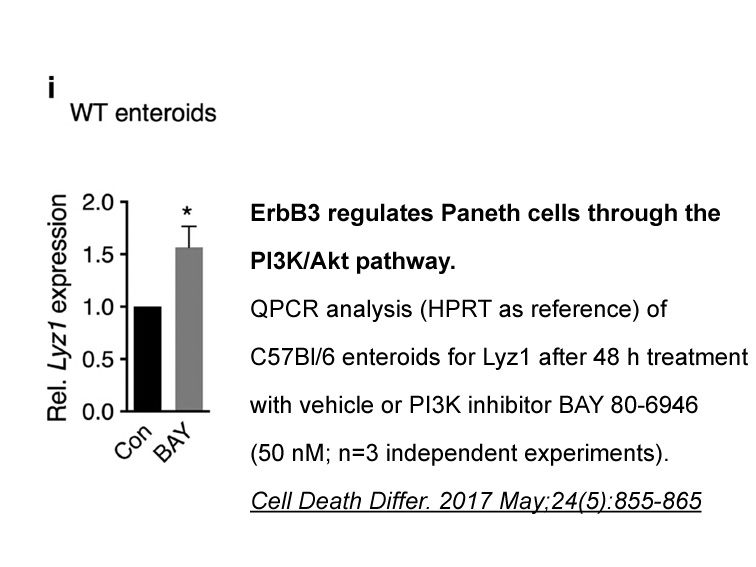
Introduction Pneumocystis pneumonia (PCP) is a respiratory invasive infection caused by Pneumocystis jirovecii, an ubiquitous fungus. It is transmitted by air and mostly infects immunocompromised patients. PCP is characterized by respiratory complaints of cough, dyspnea, but also tachycardia, low g
-
Although the presence of histamine secreting bacteria has be
2022-07-22
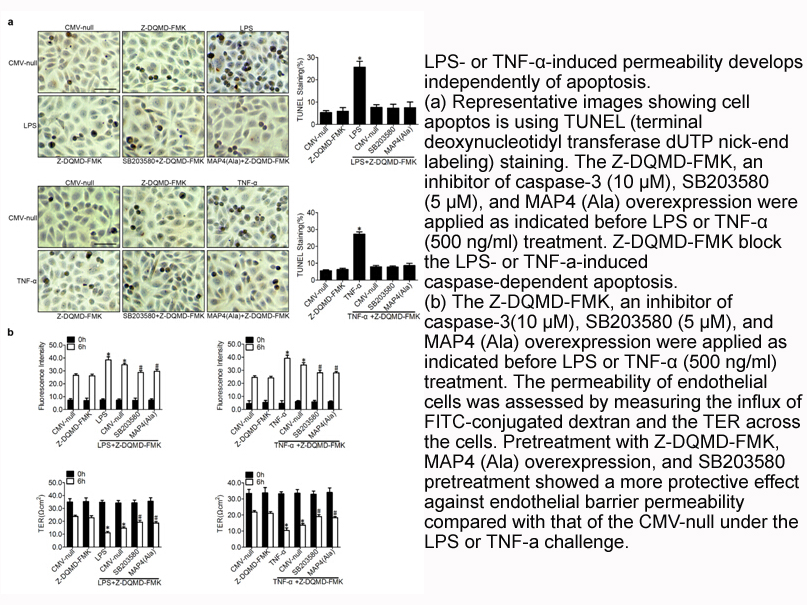
Although the presence of histamine-secreting bacteria has been well documented in foods, their presence within the human gut microbiota has not been investigated in detail. We recently performed an analysis of fecal samples from 161 volunteers to quantify the presence of bacterial HDC, using primers
-
Hippo Signaling in Cancer Immunity
2022-07-22
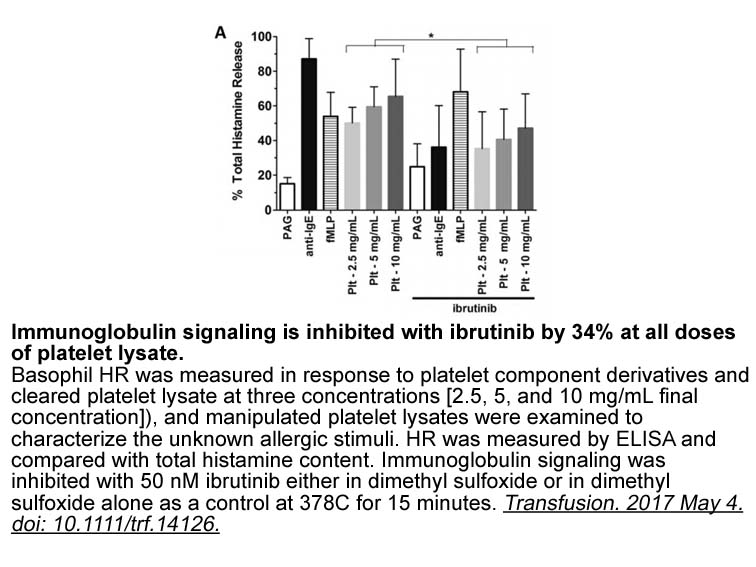
Hippo Signaling in Cancer Immunity The Hippo pathway has evolutionarily conserved roles in limiting the size of organs [1]. It is a kinase cascade regulating transcriptional complexes in response to various upstream signals (Box 1). At the cellular level, the Hippo pathway inhibits cell proliferati
-
In humans polymorphisms in the
2022-07-22
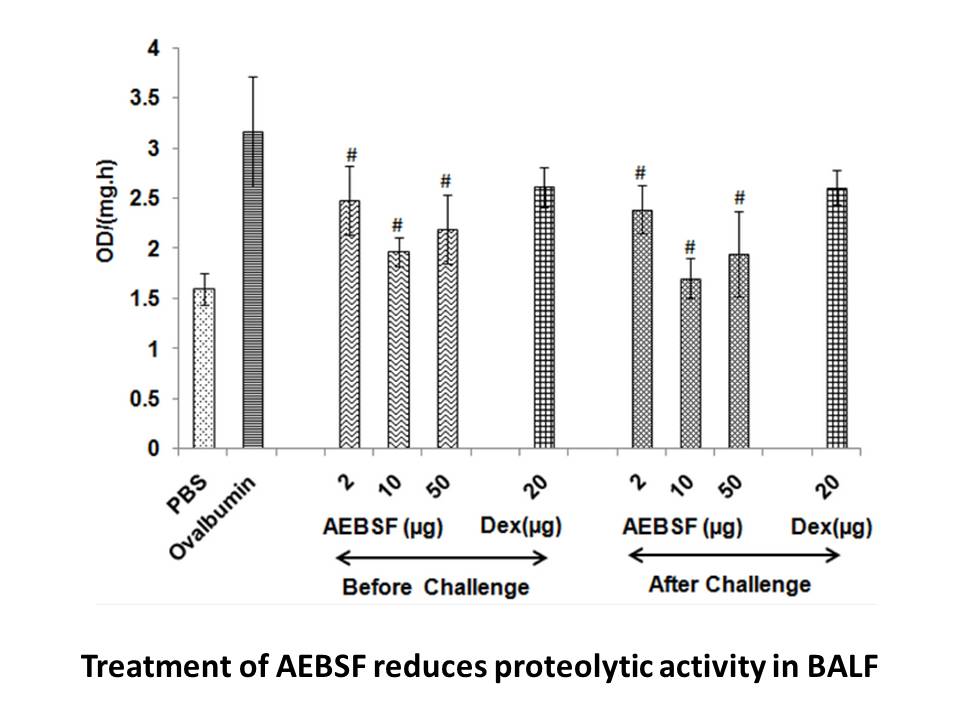
In humans, polymorphisms in the lengths of GT sequences (from 11 to 40) within the HMOX1 promoter impact the magnitude of HO-1 expression profiles. Long GT repeats code for less stable (Z-conformational) DNA with blunted transcriptional activity resulting in lower resting and stimulated HO-1 protein
-
br Methods br Results br Discussion TA
2022-07-22
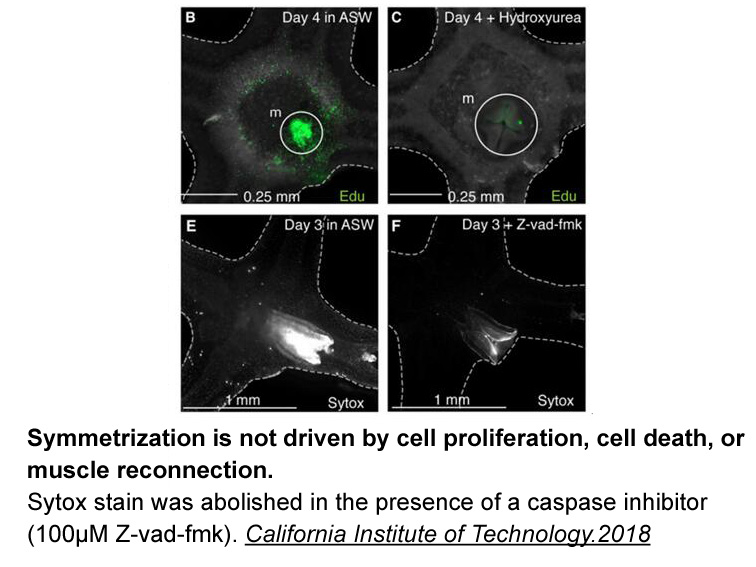
Methods Results Discussion TA-TMA is a severe complication for patients after HSCT. The pathogenesis of TA-TMA is unclear. Complement activation and endothelial cell injury may be involved in the pathogenesis of TA-TMA. Our previous investigations had demonstrated that plasma levels of C5b-
-
The second class of proteins necessary for maintaining
2022-07-22
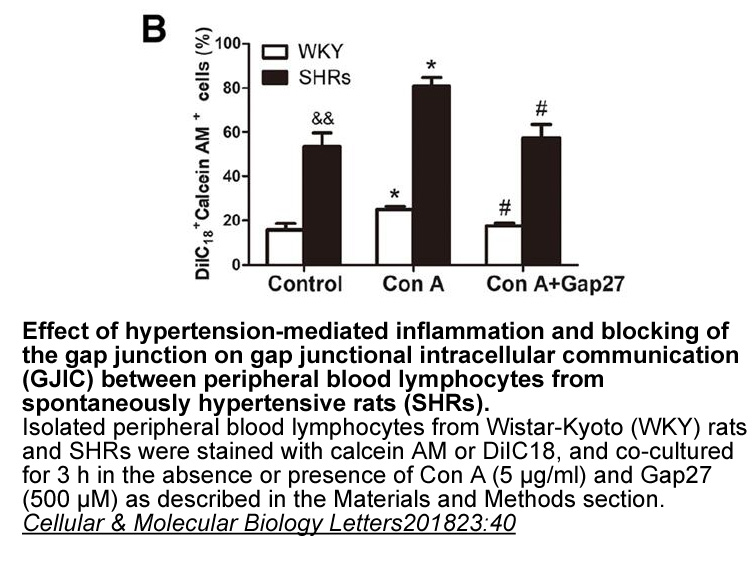
The second class of proteins necessary for maintaining Apicidin synthesis dynamics is chromatin modifiers, which are considered ‘writers’ and ‘erasers’ and are responsible for modifications of histone N-terminal tails. These post-translational modifications can have direct or indirect effects on ch
-
Apo E is defined as
2022-07-22
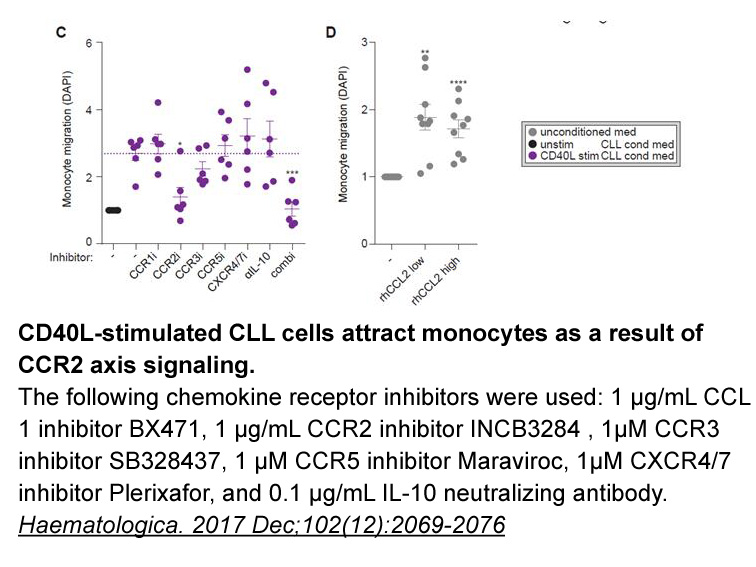
Apo E is defined as a polymorphic protein arising from three alleles. The human Apo E gene was widely studied and described to be located on chromosome 19, closely linked to the Apo C-I/C-II gene complex [9]. The three major alleles, termed Epsilon-2, Epsilon-3 and Epsilon-4 have been reported [10].
-
The number of small molecule
2022-07-22
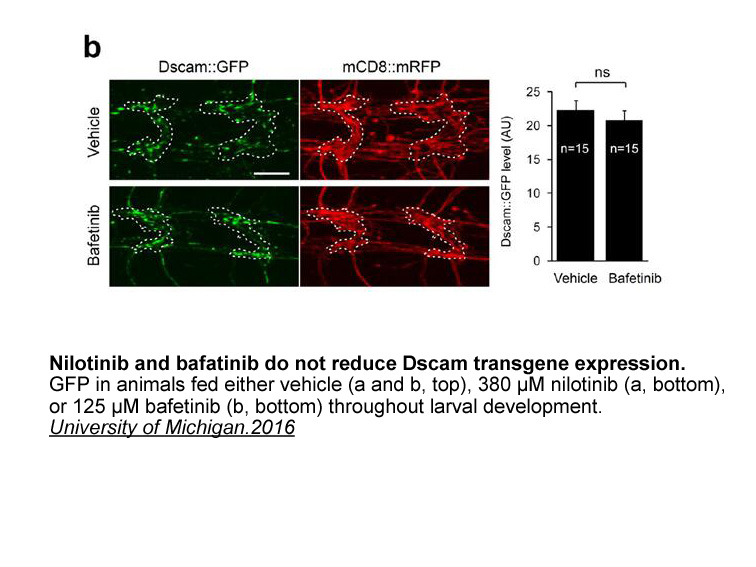
The number of small molecule GSK-3 inhibitors is continuously rising and many have been tested in animals. These studies have provided additional support for specific roles of GSK-3 in neuronal functions under both normal and pathological conditions. Inhibition of GSK-3 has profound effect on neurop
-
br Animal models of NASH The human
2022-07-21
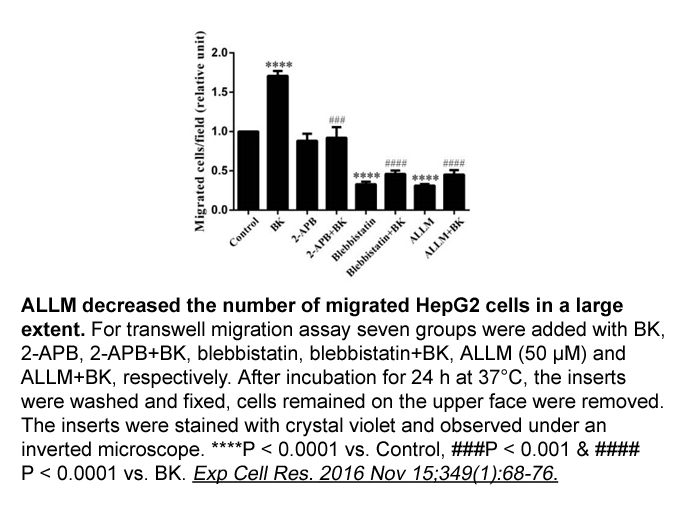
Animal models of NASH The human NAS system (see above) is largely reproducible in NAFLD mouse models [37] and, therefore, has been increasingly applied in the preclinical assessment of liver histological responses to test compounds. In general, the NAS system is well suited for this purpose, alth
-
br The glyoxalase system has
2022-07-21
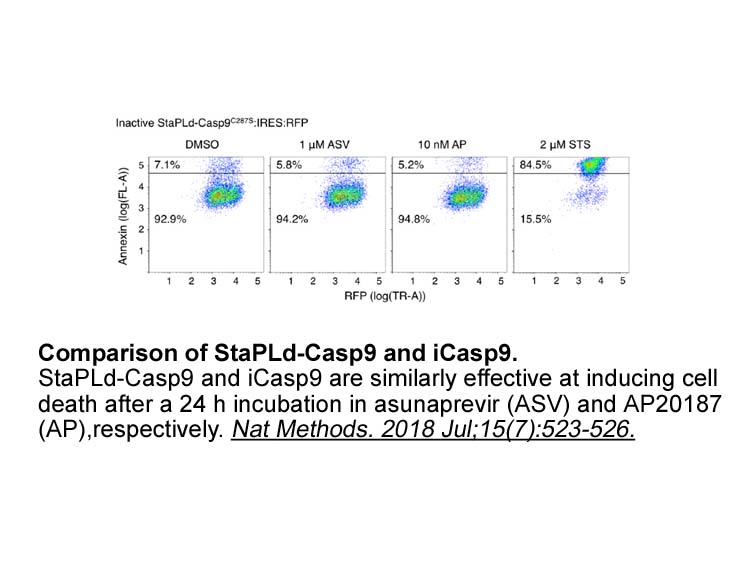
The glyoxalase system has not yet been studied in E. histolytica or G. lamblia. Searches in the G. lamblia genome (GiardiaDB.org) revealed two genes encoding hydroxyacylglutathione hydrolases (Morrison et al., 2007), but no glyoxalase I gene was found. The genome of E. histolytica does not have a
16627 records 454/1109 page Previous Next First page 上5页 451452453454455 下5页 Last page